Key takeaways
- A self-employed dog walker in the US can charge about $24.29 to $27.51 per working hour in 2026: 1.43 x the national median ($17.00) and 75th percentile ($19.26) wage of animal caretakers (BLS OEWS, May 2025).
- Counting travel and hand-off time, that is about $10 to $11.50 for a 15-minute walk, $18 to $21 for 30 minutes and $30 to $34 for 60 minutes.
- A second dog from the same household adds about 25%: a 30-minute walk for two dogs comes to $22.77 to $25.79.
- By state, a 30-minute walk ranges from about $15 to $18 in Georgia to $20 to $23 in California and New York among the 10 most populous states.
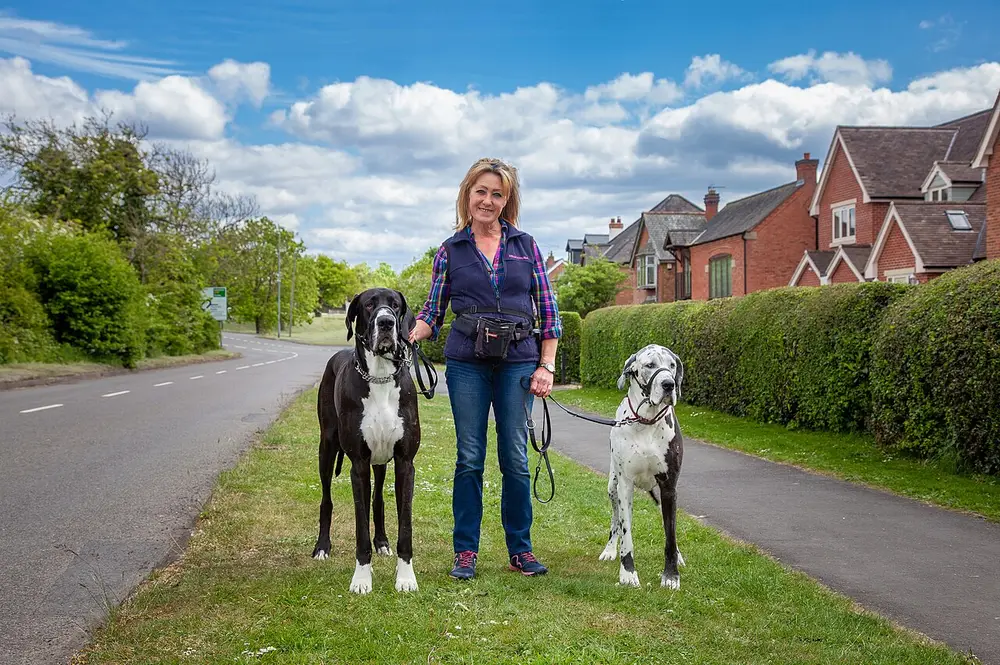

A dog walker in the US should charge about $18 to $21 for a 30-minute walk in 2026, about $10 to $11.50 for a 15-minute potty break and about $30 to $34 for a full hour. These prices come from the hourly wage of animal caretakers in the Bureau of Labor Statistics wage survey (median $17.00, 75th percentile $19.26, May 2025), multiplied by 1.43 to cover what a self-employed walker pays for herself, which gives $24.29 to $27.51 per working hour, then applied to the real time a walk takes, travel included.
Use the odd job price calculator to rerun the numbers with your own travel time and state.
How the dog walking price is calculated
- Base wage. BLS OEWS, animal caretakers (code 39-2021), which includes pet sitters and kennel staff: $14.34 at the 25th percentile, $17.00 median, $19.26 at the 75th percentile per hour, national, May 2025. The BLS Occupational Outlook Handbook notes that about 25% of animal caretakers are self-employed, and those are not in the wage survey.
- Self-employed loading. Wages are 70.0% of private employer compensation costs (BLS Employer Costs for Employee Compensation, June 2026). Dividing by 0.70, about x1.43, covers the payroll taxes, paid leave and insurance an employer would otherwise pay: $17.00 x 1.43 = $24.29 and $19.26 x 1.43 = $27.51 an hour.
- Billable time. A walk is never only the walk. You travel, find the keys, leash the dog, wipe paws, refill water and send a short update. The table below assumes 10 to 15 extra minutes per visit.
The full reasoning, and why the 75th percentile caps the range, is on the methodology page.
Price per walk: 15, 30 and 60 minutes
| Walk length | Billable time assumed | Price at $24.29/h | Price at $27.51/h |
|---|---|---|---|
| 15 minutes (potty break) | 25 min | $10.12 | $11.46 |
| 30 minutes | 45 min | $18.21 | $20.64 |
| 60 minutes | 75 min | $30.36 | $34.39 |
| Puppy visit, 15 min plus feeding and cleanup | 30 min | $12.14 | $13.76 |
Worked example for the 30-minute walk: 45 minutes is 0.75 hour; 0.75 x $24.29 = $18.21 and 0.75 x $27.51 = $20.64. Round to $18 to $21. A client who books five 30-minute walks a week pays $91 to $103.
If your clients live on the same street you need less travel time per walk, and the low end of the range already pays well. If you drive 15 minutes each way, count it: 30 minutes of travel turns a 30-minute walk into 70 billable minutes.
Multiple dogs, puppies and difficult dogs
More than one dog. Two dogs from the same household take about the same time but need more attention, more bags and more control. LittleJob suggests +25% per additional dog from the same home:
| Dogs, same household | Multiplier | 30-minute walk (national) |
|---|---|---|
| 1 dog | x1.00 | $18.21 to $20.64 |
| 2 dogs | x1.25 | $22.77 to $25.79 |
| 3 dogs | x1.50 | $27.32 to $30.95 |
Dogs from different households walked together (“group walks”) are a separate business model: each owner pays a slightly lower price, and the walker takes on more risk. Build up slowly and only group dogs you know well.
Puppies need short, frequent visits (toilet breaks, feeding, cleaning up accidents), so price them per visit with at least 30 billable minutes, as in the table. Reactive or very strong dogs justify the top of the range or a refusal; your safety and the dog’s come before the booking.
Holidays, weekends and last-minute bookings
Holiday walks are in demand exactly when walkers want time off. LittleJob suggests a premium of 25% to 50% on public holidays, stated in your price list in advance. With a 50% premium, the 30-minute walk becomes $27.32 to $30.95. A smaller premium for same-day bookings, or for very early and late walks, follows the same logic.
What dog walking pays in the 10 most populous states
BLS May 2025 hourly wages of animal caretakers in the 10 largest states (Census Bureau, 2025 estimates), with the suggested hourly rate and the price of a 30-minute walk counted as 45 minutes:
| State | Median | 75th pct | Suggested hourly rate | 30-minute walk |
|---|---|---|---|---|
| California | $18.60 | $21.71 | $26.57 to $31.01 | $20 to $23 |
| Texas | $15.74 | $20.16 | $22.49 to $28.80 | $17 to $22 |
| Florida | $16.42 | $18.01 | $23.46 to $25.73 | $18 to $19 |
| New York | $18.19 | $21.05 | $25.99 to $30.07 | $19 to $23 |
| Pennsylvania | $15.08 | $17.53 | $21.54 to $25.04 | $16 to $19 |
| Illinois | $17.10 | $18.19 | $24.43 to $25.99 | $18 to $19 |
| Ohio | $14.57 | $17.46 | $20.81 to $24.94 | $16 to $19 |
| Georgia | $14.36 | $16.80 | $20.51 to $24.00 | $15 to $18 |
| North Carolina | $14.84 | $17.30 | $21.20 to $24.71 | $16 to $19 |
| Michigan | $14.58 | $17.50 | $20.83 to $25.00 | $16 to $19 |
The highest suggested rates are in Hawaii ($27.56 to $35.59 an hour), the District of Columbia and Washington; the lowest in Mississippi ($18.53 to $20.53). See every state on the pay by state page. City prices can sit above the state figures, because the state median mixes urban and rural jobs.
Keys, liability and safety
Dog walking means holding a client’s house key and being responsible for an animal in public. Before the first walk, agree in writing on:
- Keys and access: who has a key, where it is kept, alarm codes, what happens if you lose it. A lockbox or smart lock code avoids carrying labeled keys.
- The dog: vaccinations, behavior with other dogs and children, whether it pulls or slips its collar, emergency vet and owner contact.
- Leash rules: follow local leash and pick-up rules; never let a client’s dog off leash without written permission.
- Liability: if a dog bites someone or is injured during a walk, who pays? Pet-care liability insurance exists for this. Read business license and insurance and use a simple service agreement.
The CDC advises washing hands after touching pets and after cleaning up after them; carry hand sanitizer for walks where soap and water are not available. General advice on working alone is in safety for odd jobs.
Taxes on dog walking income
A self-employed walker owes self-employment tax (15.3%) once net earnings reach $400 in a year, and income tax on the profit. Track mileage if you drive between walks: the mileage calculator applies the IRS standard rate. See do you pay taxes on side jobs. This is general information, not tax advice.
Mistakes to avoid
- Pricing the walk and forgetting the travel and hand-off time.
- Walking dogs from different households together before you know each one.
- No written agreement on keys and emergencies.
- Giving the holiday premium away for free, then canceling holiday walks because they do not pay.
Frequently asked questions
How much should I charge for a 30-minute dog walk?
About $18 to $21 at the national level in 2026. A 30-minute walk takes about 45 minutes once you add travel, picking up the leash and keys and the hand-off, and 45 minutes at $24.29 to $27.51 an hour gives $18.21 to $20.64.
How much do dog walkers charge for two dogs?
A simple rule is about 25% more per extra dog from the same home, so roughly $23 to $26 for a 30-minute walk with two dogs. Dogs from different homes are separate walks with separate prices.
Should dog walkers charge more on holidays?
A holiday premium is reasonable because the walker gives up a day off. A 50% premium on a 30-minute walk at the national rate gives about $27 to $31.
Do I need insurance to walk dogs?
No federal law requires it, but a dog that bites someone or gets loose can lead to a claim, and some clients ask for proof of liability coverage. Local business license rules vary, and the BLS notes that many states require self-employed animal care workers to hold a business license.
Sources and open data
- Occupational Employment and Wage Statistics (OEWS), May 2025 estimates, U.S. Bureau of Labor Statistics
- Employer Costs for Employee Compensation, June 2026, U.S. Bureau of Labor Statistics
- Animal Care and Service Workers, Occupational Outlook Handbook, U.S. Bureau of Labor Statistics
- Ways to Stay Healthy Around Animals (Healthy Pets), Centers for Disease Control and Prevention
- Self-Employment Tax (Social Security and Medicare Taxes), Internal Revenue Service
- State Population Totals and Components of Change: 2020-2025, U.S. Census Bureau