Key takeaways
- A self-employed handyman in the US can charge about $34.06 to $43.00 an hour in 2026: the national median ($23.84) and 75th percentile ($30.10) wage of general maintenance and repair workers (BLS OEWS, May 2025) divided by 0.70.
- Hanging three pictures and a shelf is a 1-hour minimum job at about $38 to $46 with hardware; replacing a toilet flapper about $31 to $38.
- Mounting a TV takes about 1 hour 30 minutes and costs $57 to $70; recaulking a bathtub about $60 to $73, materials included.
- Many states require a contractor license above a dollar threshold. In California, work under $1,000 in labor and materials combined is exempt since January 1, 2025, with conditions.
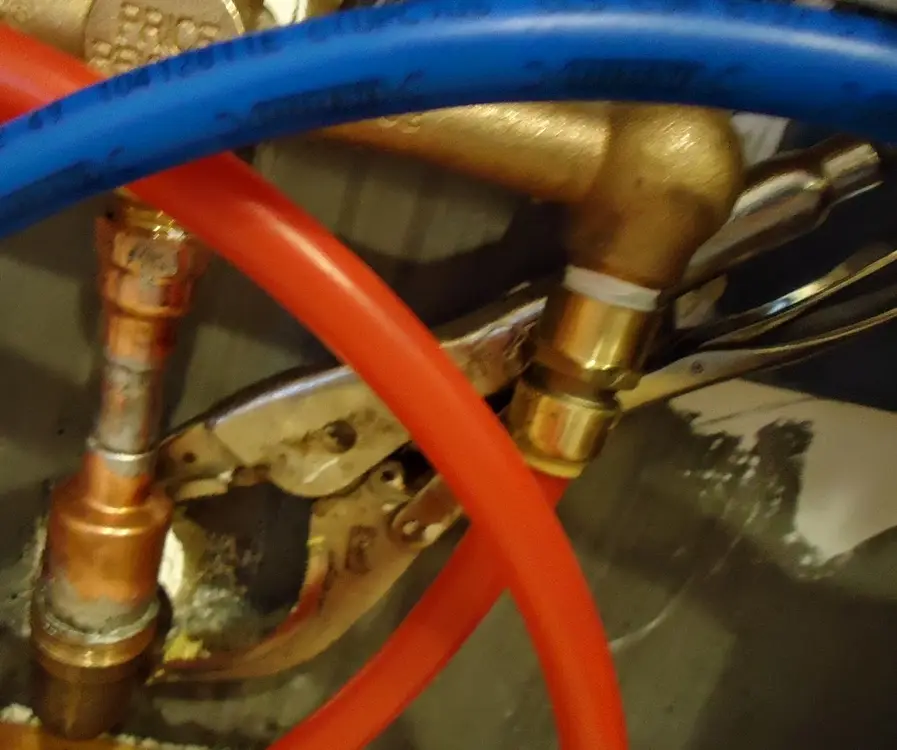

Small handyman jobs should cost about $34 to $43 an hour in 2026: mounting a TV about $57 to $70, hanging three pictures and a shelf $38 to $46, and recaulking a bathtub $60 to $73. The hourly rate is the national median ($23.84) and 75th percentile ($30.10) hourly wage of general maintenance and repair workers in the Bureau of Labor Statistics survey (May 2025) divided by 0.70, applied to the time each job takes, plus materials.
The odd job price calculator runs the same arithmetic with your own time, travel, mileage and state.
How the rate is built
The closest occupation in the BLS Occupational Employment and Wage Statistics is general maintenance and repair workers (SOC 49-9071), who do small repairs across plumbing, electrical, carpentry and painting. An employee’s wage is only part of what a job costs: in June 2026, wages were 70.0% of private employer compensation costs (BLS Employer Costs for Employee Compensation). A self-employed handyman pays the rest alone, plus tools and a vehicle, so the wage is divided by 0.70 (about 1.43 times).
| Percentile | Employee wage (BLS) | Self-employed equivalent (/ 0.70) |
|---|---|---|
| Median | $23.84 | $34.06 |
| 75th percentile | $30.10 | $43.00 |
Licensed contractors, plumbers and electricians charge more because they carry licenses, bonds and higher insurance. These figures describe one person doing small jobs that need no license.
What to charge per job
Price = (minutes / 60) x hourly rate + materials, rounded up to the dollar. Times are LittleJob estimates and include setup and cleanup. A 1-hour minimum applies to every visit.
| Job | Time | Materials | Price |
|---|---|---|---|
| Hang 3 pictures and 1 shelf (1-hour minimum) | 1 h | $3 | $38 to $46 |
| Replace a toilet flapper | 45 min | $5 | $31 to $38 |
| Patch a small drywall hole, ready to paint | 1 h 15 min | $10 | $53 to $64 |
| Mount a TV on drywall (customer’s mount) | 1 h 30 min | $5 | $57 to $70 |
| Recaulk a bathtub | 1 h 30 min | $8 | $60 to $73 |
The flapper alone is shorter than the minimum: on its own, bill the minimum, or add it to a longer visit at the price above. Worked example for the TV: 90 / 60 = 1.5 hours. 1.5 x $34.06 = $51.09, plus $5 = $56.09, rounded up to $57. At $43.00: $64.50 + $5 = $69.50, so $70.
Many customers keep a list of small repairs. Pricing the whole list as one visit is fairer to them and fills your hour better than separate trips. Drywall patches usually need a second visit after the compound dries, or a quick-setting compound; plan for it in the quote.
What a TV mount costs in the 10 most populous states
BLS May 2025 hourly wages of general maintenance and repair workers in the 10 largest states (Census Bureau, 2025 estimates), suggested self-employed rate and the price of a TV mount (90 minutes plus $5):
| State | Median | 75th pct | Suggested hourly rate | TV mount |
|---|---|---|---|---|
| California | $27.41 | $34.24 | $39.16 to $48.91 | $64 to $79 |
| Texas | $22.44 | $28.45 | $32.06 to $40.64 | $54 to $66 |
| Florida | $22.15 | $27.18 | $31.64 to $38.83 | $53 to $64 |
| New York | $27.79 | $33.48 | $39.70 to $47.83 | $65 to $77 |
| Pennsylvania | $23.70 | $29.70 | $33.86 to $42.43 | $56 to $69 |
| Illinois | $27.27 | $33.02 | $38.96 to $47.17 | $64 to $76 |
| Ohio | $25.68 | $30.65 | $36.69 to $43.79 | $61 to $71 |
| Georgia | $22.92 | $28.85 | $32.74 to $41.21 | $55 to $67 |
| North Carolina | $23.03 | $28.63 | $32.90 to $40.90 | $55 to $67 |
| Michigan | $22.87 | $28.60 | $32.67 to $40.86 | $55 to $67 |
The highest state medians for this occupation are in the District of Columbia ($29.00), Alaska ($28.97) and Minnesota ($28.46); the lowest in Arkansas ($20.87), Oklahoma ($20.55) and West Virginia ($18.70). Every state is on the pay by state page, and the methodology page explains the 0.70 factor and links the open data.
When a handyman needs a contractor license
This is where small jobs become risky. Most states license contractors, and many set a dollar threshold or a list of trades above which a license is required. The rules differ widely, so check your state’s contractor board and your city before advertising. The SBA’s licenses and permits guide explains where to look, and licenses and insurance for odd jobs covers the basics.
California is a useful example. Since January 1, 2025, the Contractors State License Board exempts minor work when the total price, labor and materials combined, is under $1,000 (AB 2622). The exemption applies only if the work needs no building permit and you have no employees, and any advertising must state that you are not licensed. Splitting a larger job into several invoices to stay under the limit is not allowed.
Everywhere, treat electrical wiring, gas lines, and plumbing beyond simple fixture parts as licensed work: replacing a flapper is fine, moving a drain is not. Decline jobs that need a permit.
Safety and liability
Find studs or use anchors rated for the load, especially for TVs and shelves: a falling TV is both an injury risk and a damage claim. Turn off the water before plumbing repairs and the breaker before touching any fixture. Use a ladder you have inspected and keep three points of contact. General liability insurance covers damage to the home. Write the job list, price and what is excluded in a short service agreement. More in safety for odd jobs.
Teens and taxes
For employers covered by the Fair Labor Standards Act, 14 and 15 year olds may not operate power-driven machinery (29 CFR 570.33(e)) or work from ladders (29 CFR 570.33(g)), which rules out much handyman work at that age. See jobs for 14 and 15 year olds.
Handyman income is self-employment income, and self-employment tax applies once net earnings reach $400 in a year. Mileage to jobs can be deducted; see do you pay taxes on side jobs and self-employment tax explained. This is general information, not legal or tax advice.
Mistakes to avoid
- Charging less than the minimum for a quick fix across town.
- Taking on electrical or plumbing work that needs a license or a permit.
- Mounting a TV on drywall anchors alone without finding a stud.
- Forgetting to bill materials and trips to the hardware store.
- Quoting a drywall patch as one visit when it needs to dry before painting.
Frequently asked questions
How much should a handyman charge per hour in 2026?
About $34.06 to $43.00 an hour at the national level, the BLS median and 75th percentile wage of general maintenance and repair workers divided by 0.70. In California the same method gives $39.16 to $48.91, in Texas $32.06 to $40.64.
How much should I charge to mount a TV?
About $57 to $70 for a standard wall mount on drywall, which takes about 1 hour 30 minutes with stud finding, leveling and cable tidying, plus about $5 of anchors and screws. The customer usually supplies the mount.
Do I need a license to do handyman work?
It depends on the state and the size of the job. California exempts minor work under $1,000 including labor and materials, if you have no employees, pull no permits and state in your ads that you are not licensed. Electrical and plumbing work often requires a license everywhere.
Should I charge a minimum for small jobs?
Yes. A 1-hour minimum is common so a 15-minute repair still covers your travel and setup. Group small tasks into one visit and price them together.
Sources and open data
- Occupational Employment and Wage Statistics (OEWS), May 2025 estimates, U.S. Bureau of Labor Statistics
- Employer Costs for Employee Compensation, June 2026, U.S. Bureau of Labor Statistics
- New Law Increases Minor Work Exemption to $1,000 (AB 2622), Contractors State License Board (California)
- Hire a Contractor, Contractors State License Board (California)
- Apply for licenses and permits, U.S. Small Business Administration
- State Population Totals and Components of Change: 2020-2025, U.S. Census Bureau