Key takeaways
- In July 2026, 21.3 million people aged 16 to 24 were employed, an employment-population ratio of 53.8% (53.1% in July 2025), and youth unemployment was 9.1%, down from 10.8% (BLS, August 20, 2026).
- Between April and July 2026, the number of employed youth rose by 1.8 million (9.1%).
- Leisure and hospitality employed 25% of working youth (5.3 million), retail trade 18%, education and health services 14%.
- National medians (BLS OEWS, May 2025): lifeguards $16.14 an hour, amusement and recreation attendants $15.46, fast food and counter workers $15.00, childcare workers $16.82, landscaping workers $18.82.
- From June 1 through Labor Day, 14 and 15 year olds may work until 9 p.m. and up to 40 hours in a week with no school; 15-year-olds may lifeguard at pools if certified.
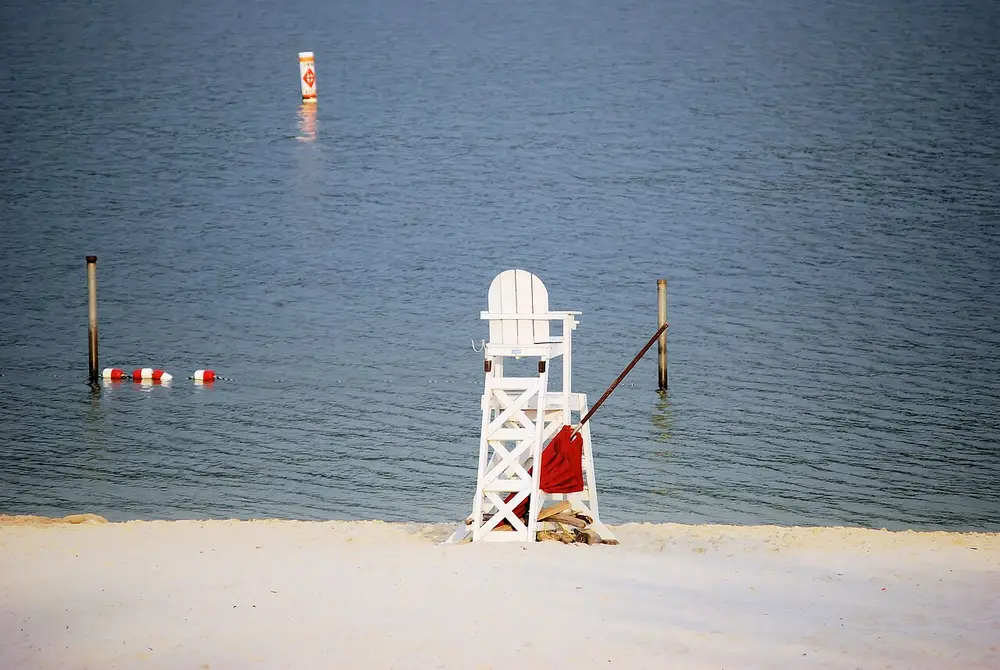

In July 2026, 21.3 million Americans aged 16 to 24 were employed, an employment-population ratio of 53.8%, little changed from 53.1% in July 2025, and youth unemployment fell to 9.1% from 10.8% a year earlier (BLS, August 20, 2026). A quarter of working youth were in leisure and hospitality. Typical summer jobs pay national medians of $15.00 to $18.82 an hour (BLS, May 2025), and teens running their own odd jobs can charge more. Federal law lets 14 and 15 year olds work until 9 p.m. from June 1 through Labor Day; states can be stricter.
What the 2026 summer youth data shows
The Bureau of Labor Statistics publishes “Employment and Unemployment Among Youth” each August from the Current Population Survey, comparing April (before summer) with July (the summer peak). The figures are not seasonally adjusted, because the seasonal swing is the point.
| Indicator, ages 16 to 24 | July 2025 | July 2026 |
|---|---|---|
| Employed | 21.1 million | 21.3 million |
| Employment-population ratio | 53.1% | 53.8% |
| Labor force participation rate | 59.5% | 59.1% |
| Unemployment rate | 10.8% | 9.1% |
Between April and July 2026, the youth labor force grew by 2.1 million (9.8%) and the number of employed youth rose by 1.8 million (9.1%). By industry, 25% of employed youth (5.3 million) worked in leisure and hospitality, 18% in retail trade and 14% in education and health services. The release covers ages 16 to 24 as a whole; it does not give figures for 14 and 15 year olds, and it says nothing specific about informal odd jobs.
Summer jobs and what they pay
Hourly wages from BLS Occupational Employment and Wage Statistics (May 2025, national), for the occupations closest to common summer jobs. Employees usually start near the 25th percentile. For self-employed work, LittleJob suggests 1.43 times the median to 1.43 times the 75th percentile, because employee wages are only 70% of total compensation (BLS Employer Costs for Employee Compensation, June 2026).
| Summer job | BLS occupation | 25th percentile | Median | Suggested self-employed range |
|---|---|---|---|---|
| Pool or camp lifeguard | Lifeguards and recreational protective workers (33-9092) | $13.89 | $16.14 | Employee job in most cases |
| Amusement park, pool or rec center attendant | Amusement and recreation attendants (39-3091) | $13.30 | $15.46 | Employee job |
| Ice cream stand, snack bar, fast food | Fast food and counter workers (35-3023) | $13.32 | $15.00 | Employee job |
| Lawn mowing, weeding, yard cleanup | Landscaping and groundskeeping workers (37-3011) | $17.40 | $18.82 | $26.89 to $32.17 |
| Summer babysitting, day camp helper | Childcare workers (39-9011) | $14.12 | $16.82 | $24.03 to $26.50 |
How the self-employed figures are built: $18.82 / 0.70 = $26.89 and $22.52 / 0.70 = $32.17 for landscaping; $16.82 / 0.70 = $24.03 and $18.55 / 0.70 = $26.50 for childcare. Applied to real jobs:
- Weekly mowing of a quarter-acre lot, assuming about 45 minutes with trimming and travel: 0.75 h x $26.89 = about $20 per visit.
- Full-day summer babysitting, 8 a.m. to 5 p.m. (9 hours) for one child: 9 x $24.03 = about $216 a day.
Use the odd job price calculator or the guides to lawn mowing prices and babysitting rates to adjust for your state, and check the pay by state pages for local wages and minimums.
Other summer odd jobs
Dog walking and pet sitting for families on vacation, house sitting, car washing, garage cleanouts, tutoring and music lessons all peak in summer. See pet sitting rates, house sitting rates and tutoring rates.
Lifeguard jobs: age and certification
Federal rules allow 15-year-olds, but not 14-year-olds, to work as lifeguards at “traditional swimming pools and water amusement parks” if they “have been trained and certified by the American Red Cross, or a similar certifying organization, in aquatics and water safety” (29 CFR 570.34(l)). The permitted duties include rescues, poolside monitoring, teaching water safety, first aid, and swimming instruction if separately certified. At 15, they may not work in mechanical or chemical storage rooms, operate power-driven equipment or elevated water slides, or guard natural sites such as lakes, rivers and ocean beaches. From 16, the federal limits fall away, but employers and certifying organizations set their own age and swim-test prerequisites; check with the course host before enrolling.
Summer rules for 14 and 15 year olds
From June 1 through Labor Day, 29 CFR 570.35 lets a 14- or 15-year-old work between 7 a.m. and 9 p.m., up to 8 hours a day and 40 hours in a week with no school. Summer school counts as outside school hours. Power-driven mowers, trimmers and edgers remain banned for employees under 16 (570.33(e)), so a landscaping company can hire a 15-year-old only for hand work. Test a schedule with the teen work hours checker and see the work hour limits page. Employers may pay the youth minimum wage of $4.25 for the first 90 days where state law allows it.
Safety for summer work
- Heat. Outdoor work in July and August is where teens are most exposed: schedule mowing and yard work early, drink water before you are thirsty, and stop at the first sign of dizziness or cramps.
- Machines. The federal hazardous occupations list is a good guide even for self-employed work: no chain saws or wood chippers under 18, no roofs or gutters, no driving customers or deliveries at 16. See hazardous jobs banned under 18.
- Water. Only certified lifeguards should be responsible for swimmers; babysitting near a pool calls for constant supervision.
- Getting there. Agree on transport in advance; a 16-year-old may not drive for an employer under federal rules.
More in our safety guide for odd jobs.
Money after the summer
A summer of odd jobs can cross the $400 net self-employment threshold that generally triggers a tax return and self-employment tax; employees may get withholding back by filing. See taxes for teens with odd jobs, and consider putting part of the earnings in a Roth IRA for teens.
Frequently asked questions
How many teens have summer jobs?
The BLS summer youth release covers ages 16 to 24: 21.3 million were employed in July 2026, 53.8% of that age group. The release does not break out 16 to 19 year olds separately.
What is the best paying summer job for a teen?
Among common summer jobs, landscaping work has the highest national median at $18.82 an hour (BLS, May 2025), but power mowers are banned for employees under 16. Self-employed odd jobs priced with the LittleJob method can pay more than an hourly job.
How old do you have to be to be a lifeguard?
Federal law allows 15-year-olds to lifeguard at traditional swimming pools and water parks if certified by the American Red Cross or a similar organization; 14-year-olds cannot. Beaches, lakes and rivers are excluded at 15. Certifying courses set their own age and swim prerequisites.
How many hours can a 15-year-old work in the summer?
Up to 8 hours a day and 40 hours a week when school is not in session, between 7 a.m. and 9 p.m. from June 1 through Labor Day. From 16, federal law sets no hour limit.
Sources and open data
- Employment and Unemployment Among Youth, Summer 2026 (USDL-26-1411), U.S. Bureau of Labor Statistics
- Employment and Unemployment Among Youth, Summer 2025 (archived release), U.S. Bureau of Labor Statistics
- Occupational Employment and Wage Statistics (OEWS), May 2025 estimates, U.S. Bureau of Labor Statistics
- 29 CFR 570.34, Occupations that may be performed by minors 14 and 15 years of age (lifeguards, paragraph (l)), eCFR, National Archives
- 29 CFR 570.35, Hours of work for minors 14 and 15 years of age, eCFR, National Archives
- Employer Costs for Employee Compensation, June 2026, U.S. Bureau of Labor Statistics