Key takeaways
- LittleJob suggests $24.59 to $27.11 an hour for errand running in 2026, based on BLS wages of home health and personal care aides ($17.21 median, $18.98 at the 75th percentile, May 2025) x 1.43.
- Add mileage on top: the IRS business standard rate is 76 cents a mile from July 1, 2026 (72.5 cents from January 1 to June 30).
- A grocery run of 1 hour 15 minutes and 10 miles comes to about $38 to $41; a short pharmacy pickup should fall back on a minimum charge of about $25.
- State medians for the proxy occupation range from $10.83 (Louisiana) to $22.95 (Washington).
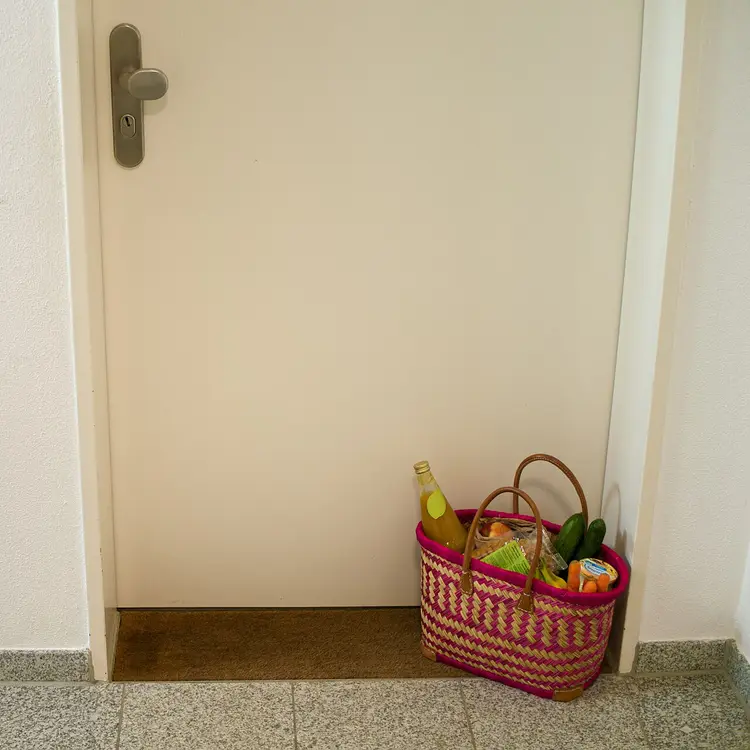

Running errands for neighbors, busy families or older adults is worth about $24.59 to $27.11 an hour in 2026, plus mileage at the IRS rate of 76 cents a mile. The hourly part comes from the BLS wage of home health and personal care aides ($17.21 median, $18.98 at the 75th percentile, May 2025), whose non-medical duties include shopping and arranging trips, multiplied by 1.43 for self-employment costs. A typical grocery run of 1 hour 15 minutes and 10 miles comes to about $38 to $41.
Which wage to use: the proxy reasoning
The BLS does not publish a wage for “errand runners.” Four occupations are candidates, and LittleJob picks one deliberately:
- Home health and personal care aides (code 31-1120). The BLS Occupational Outlook Handbook says these aides “shop for groceries and prepare meals” and “arrange transportation to doctors’ offices or other outings,” and that personal care aides provide non-medical services including “companionship, cleaning, cooking, and driving.” Errands for a household are a subset of that work. With 4.3 million employees, the wage estimates are also very robust.
- Couriers and delivery drivers match the driving but not the judgment calls (choosing produce, talking to a pharmacist), and they are not in LittleJob’s dataset.
- Fast food and counter workers (median $15.00) are LittleJob’s entry-level benchmark, too low for a job that involves a car and trust.
- Hand laborers and material movers (median $19.35) fit only heavy pickups.
So the base is the personal care aide wage, and the car is priced separately, which is fairer than burying it in the hourly rate.
| Basis | Employee wage | Self-employed equivalent (x1.43) |
|---|---|---|
| Personal care aides, median | $17.21 | $24.59 |
| Personal care aides, 75th percentile | $18.98 | $27.11 |
Why 1.43: wages were 70.0% of private employer compensation costs in June 2026 (BLS), so 1 / 0.70 = 1.43. See the methodology page.
Mileage at the 2026 IRS rate
Your car costs money every mile: fuel, wear, insurance, depreciation. The IRS business standard mileage rate is the simplest honest number to bill:
- 72.5 cents a mile for miles driven from January 1 to June 30, 2026.
- 76 cents a mile from July 1 to December 31, 2026, after the IRS raised the rate midyear because of fuel prices (Internal Revenue Bulletin 2026-29).
Bill round-trip miles from your home to each stop and back. The side gig mileage calculator adds up trips at the right rate, and the mileage deduction guide explains what you can deduct and which records to keep.
Prices per errand
Times include driving; miles are round trip. Mileage at 76 cents.
| Errand | Time | Miles | Low (at $24.59/h) | High (at $27.11/h) |
|---|---|---|---|---|
| Pharmacy pickup | 30 minutes | 6 | $16.86 | $18.12 |
| Grocery run | 1 hour 15 minutes | 10 | $38.34 | $41.49 |
| Three stops: post office, dry cleaner, hardware store | 2 hours | 18 | $62.86 | $67.90 |
Arithmetic for the grocery run, low end: $24.59 x 1.25 = $30.74, plus 10 x $0.76 = $7.60, total $38.34. The pharmacy pickup is below what a trip is worth, which is why most errand runners set a minimum charge of about $25 per trip.
Worked example with the price calculator
Using the odd job price calculator for a grocery run:
- Rate $25 an hour, 0.75 hour in the store, 30 minutes of driving.
- Labor: $25 x 1.25 = $31.25.
- Vehicle: 10 miles x $0.76 = $7.60.
- Supplies: $0. Total $38.85, quoted at $40.
For a regular client, a weekly package is simpler: one grocery run plus one other stop every Thursday, billed monthly.
Errand pay in the 10 most populous states
Home health and personal care aide wages by state (BLS OEWS, May 2025) and the suggested self-employed hourly range, before mileage:
| State | Median | 75th pct | Suggested hourly rate |
|---|---|---|---|
| California | $16.50 | $17.57 | $23.57 to $25.10 |
| Texas | $11.65 | $13.23 | $16.64 to $18.90 |
| Florida | $16.25 | $17.25 | $23.21 to $24.64 |
| New York | $19.05 | $21.05 | $27.21 to $30.07 |
| Pennsylvania | $14.14 | $16.55 | $20.20 to $23.64 |
| Illinois | $18.30 | $18.61 | $26.14 to $26.59 |
| Ohio | $16.57 | $17.64 | $23.67 to $25.20 |
| Georgia | $14.07 | $16.76 | $20.10 to $23.94 |
| North Carolina | $15.02 | $17.08 | $21.46 to $24.40 |
| Michigan | $16.83 | $17.81 | $24.04 to $25.44 |
Highest medians: Washington ($22.95), Oregon ($21.35), Rhode Island ($21.00). Lowest: Louisiana ($10.83) and Mississippi ($11.47). Where the state range falls below the national one, the national range ($24.59 to $27.11) is a reasonable ceiling to test with clients. All states: pay by state.
Handling the client’s money
Errands mean spending someone else’s money, which is where most disputes start:
- Do not front large purchases. Ask for cash in advance, a store gift card bought by the client, or have the client place a pickup order and pay online.
- Always return the receipt and the change, and note it on your invoice.
- Agree on substitutions before you leave (“if they are out of 2% milk, buy whole or skip?”).
- Keep a simple log: date, stops, miles, amount spent. It doubles as your mileage record.
If you drive clients themselves, not just their shopping, ask your auto insurer whether paid trips are covered before the first ride; see business license and insurance. For older clients who also want company, see senior companion rates.
Taxes
Errand income is self-employment income: report all of it, and once net earnings reach $400 in a year you owe self-employment tax of 15.3%. Your business miles reduce the taxable amount if you claim them at the standard rate (IRS Topic 510). Start with do you pay taxes on side jobs and estimate the bill with the self-employment tax calculator. This page is general information, not tax advice.
Frequently asked questions
How much should I charge to run errands?
About $25 to $27 an hour in 2026, plus mileage at the IRS rate of 76 cents a mile, with a minimum charge of about $25 per trip. In higher-wage states such as Washington or New York the hourly part can reach $27 to $33.
Should I charge mileage for errands?
Yes. Your hourly rate pays your time; mileage pays for the car. The IRS business rate, 76 cents a mile from July 1, 2026, is a reasonable and easy-to-explain figure.
Do I pay for the groceries myself and get reimbursed?
Avoid fronting large amounts. Ask for payment in advance, a store gift card from the client, or use the client's own pickup order, and always hand over the receipt.
Can I deduct my mileage for errand jobs?
Yes, business miles for self-employment can be deducted using the IRS standard mileage rate. Mileage you bill to clients is part of your business income, and the miles you drive are a deductible expense.
Sources and open data
- Occupational Employment and Wage Statistics (OEWS), May 2025 estimates, U.S. Bureau of Labor Statistics
- Occupational Outlook Handbook: Home Health and Personal Care Aides, U.S. Bureau of Labor Statistics
- Employer Costs for Employee Compensation, June 2026, U.S. Bureau of Labor Statistics
- Standard mileage rates, Internal Revenue Service
- Internal Revenue Bulletin 2026-29 (midyear mileage rate revision), Internal Revenue Service
- Topic no. 510, Business use of car, Internal Revenue Service