Key takeaways
- The cheapest customers to win are neighbors and referrals: one weekly lawn at $35 is worth about $1,000 over a 7-month season.
- A referral credit such as $10 off the next visit costs less than most advertising and brings customers who already trust you.
- Many cities require a solicitor or peddler permit for door-to-door selling: Golden Valley, Minnesota charges $30 per 30-day period and limits soliciting to 9 a.m. to 8 p.m.; Fairfield, Ohio charges $50 and allows 9 a.m. to 7 p.m., Monday to Saturday.
- Some states restrict minors working in for-profit door-to-door sales: Arizona bans it after 7 p.m. for those under 16 and several states prohibit it under 16 (DOL table, 2023).
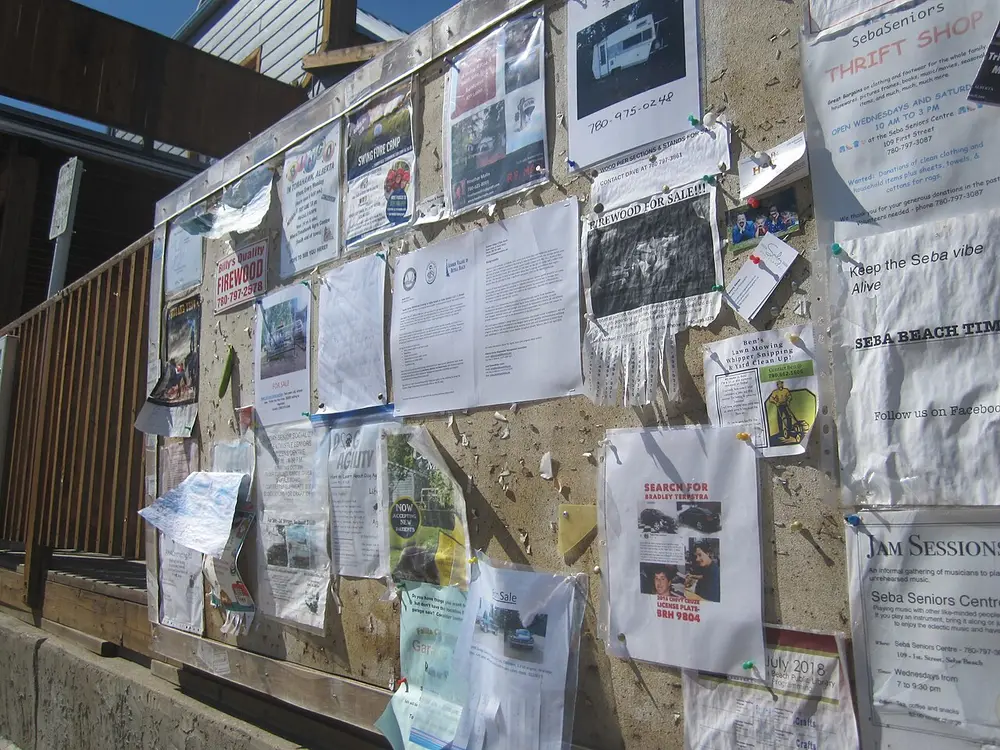

The fastest way to find odd job customers is to start with people who already know you, then widen the circle: neighbors and family contacts first, then flyers and community boards, then online platforms, with a referral reward to turn each happy customer into the next one. One recurring customer matters more than many one-off jobs: a weekly lawn at $35 is about $1,000 over a 7-month season (30 visits). If you plan to knock on doors, check first: many cities require a solicitor permit, such as Golden Valley, Minnesota ($30 per 30 days, 9 a.m. to 8 p.m.), and some states restrict minors in door-to-door sales.
Start with neighbors
Neighbors are the ideal first customers: no travel time, they can see your work, and they talk to each other. A simple approach:
- Make a list of the 20 to 40 homes within a short walk.
- Pick one clear offer per season: mowing in spring and summer, leaf raking in fall, snow shoveling in winter, pet care during holidays.
- Talk to people you already know first, with a parent if you are a teen.
- Leave a flyer with the others, where local rules allow it.
Price before you ask, using how to price odd jobs, so you can answer “how much?” on the spot.
Flyers and community boards
A good flyer says one thing clearly:
- What: “Lawn mowing and edging” (not a list of ten services).
- Where: “In the Oak Street neighborhood”.
- Price anchor: “From $30 per visit” or “$24 an hour”, based on your calculation.
- Trust: age if you are a student, references available, “parent-approved” for teen workers.
- Contact: a phone number or email that a parent can see if you are under 18. Avoid putting your home address on a public flyer.
Where to post: library and community center boards, grocery store boards, places of worship, neighborhood association newsletters and HOA boards, and school or club bulletins. Ask before posting, and take the flyer down when the season ends.
Do not put flyers in mailboxes: federal law (18 U.S.C. 1725) makes it an offense to knowingly deposit mailable matter without postage in a box approved by the Postal Service. Hand flyers over in person or leave them at the door instead.
Online platforms (neutral overview)
Neighborhood social networks, local groups, classified sites and gig platforms can bring jobs quickly. Before signing up, check:
| Question | Why it matters |
|---|---|
| Minimum age | Many platforms require users to be 18 |
| Fees or commissions | They lower your net hourly rate; compare with your target |
| Payment method | Some pay through the platform, which may report income on Form 1099-K |
| Off-platform rule | Some forbid taking customers directly |
| Background check | Some require one for home and child care |
LittleJob does not rank platforms. Whatever you use, compare the net pay with the suggested ranges on the pay by state pages, and remember that platform payments are reported differently: see Form 1099-NEC and 1099-K thresholds.
Referral pricing
Referrals bring customers who already trust you, so they are worth paying for. Common formats:
- Credit: $10 off the next visit for each new customer referred who books.
- Bundle: two neighbors booked on the same day get a lower price each, because your travel time is shared.
- Season loyalty: customers who book the whole season get the lowest per-visit rate.
Keep the reward smaller than what one new recurring customer earns you. A $10 credit for a customer worth 30 visits is an easy decision.
Door-to-door: permits and rules
City solicitor permits
Many cities and towns regulate anyone going door to door to sell goods or services. Two examples, verified on the cities’ own websites:
| City | Who needs it | Fee | Allowed hours | Other conditions |
|---|---|---|---|---|
| Golden Valley, Minnesota | Anyone going door to door to fundraise or sell a product or service | $30 per 30-day period | Not before 9 a.m. or after 8 p.m. | Background check; youth fundraisers 17 and under for schools or recognized children’s groups are exempt |
| Fairfield, Ohio | Anyone going door to door to sell, offer or promote goods or services | $50 per individual permit | 9 a.m. to 7 p.m., Monday to Saturday | Permit from the city plus registration with the police department |
Rules, fees and exemptions differ in every town. Look up “solicitor permit” or “peddler license” with your city’s name, or ask the city clerk. The SBA notes that local licenses and permits depend on where and what you sell. Also respect “No soliciting” signs. Business license and insurance covers the other local rules.
Minors and door-to-door sales
Federal child labor rules (29 CFR 570.33(j)) prohibit employing 14- and 15-year-olds in youth peddling, meaning selling goods or services to customers at their homes or other places away from the employer’s establishment. Some states go further for for-profit door-to-door sales by minors. According to the Department of Labor’s state table (last updated January 1, 2023):
- Arizona prohibits door-to-door sales work after 7 p.m. for minors under 16.
- Pennsylvania lists a 6 p.m. limit within its conditions for minors under 16.
- Florida, Maine, Massachusetts, Michigan, Missouri, North Dakota, Oregon, Virginia and Washington (unless a variance is granted) prohibit it for minors under 16, with some exceptions.
These rules are written for minors employed by a sales business. A teen knocking on neighbors’ doors to offer their own lawn mowing is in a different situation, but the safe approach is the same: go in daylight, with a parent or friend, only on streets you know, and follow your city’s permit rules. See jobs for 14 and 15 year olds and safety for odd jobs.
Keep the customers you win
- Show up on time and confirm the day before.
- Do the same job the same way each time, and mention anything you noticed (a broken sprinkler, a loose gutter).
- Send a receipt every time; see invoices and getting paid.
- At the end of the season, ask whether they want to book the next one.
Frequently asked questions
What is the best way to find customers for odd jobs?
Start with people who already know you: neighbors, family friends and your parents' contacts. Then add flyers and community boards in your neighborhood, and ask every happy customer for a referral.
Do I need a permit to go door to door offering lawn mowing?
Often yes. Many cities require a solicitor or peddler permit for anyone going door to door to sell goods or services, sometimes with a background check and set hours. Check your city or town clerk's website before you start.
Are there rules for teens selling door to door?
Federal rules bar employers from using 14- and 15-year-olds for youth peddling, and several states restrict minors in for-profit door-to-door sales. These rules target employment; teens offering their own services should still check local permit rules and go with an adult.
Should I use apps and websites to find odd jobs?
They can fill your schedule, but read each platform's terms: many have minimum ages, fees or commissions, and rules about taking customers off the platform. Compare the net pay with your target rate before accepting jobs.
Sources and open data
- Peddlers and Solicitors License, City of Golden Valley, Minnesota
- Solicitor Permits, City of Fairfield, Ohio
- State Regulation of For-profit Door-to-door Sales by Minors, U.S. Department of Labor, Wage and Hour Division
- 29 CFR 570.33, Occupations that are prohibited to minors 14 and 15 years of age, Cornell Law School, Legal Information Institute
- Apply for licenses and permits, U.S. Small Business Administration