Key takeaways
- The Fair Labor Standards Act sets a basic minimum age of 16 for non-farm jobs (29 U.S.C. 203(l)).
- The Secretary of Labor lowers it to 14 for listed jobs outside manufacturing and mining, with hour limits (29 CFR 570.34 and 570.35).
- An 18 minimum applies to 17 hazardous occupations, from driving to roofing (29 CFR 570.51 to 570.68).
- Exempt at any age: newspaper delivery to consumers, acting and performing, evergreen wreath making at home and, with limits, work for a parent (29 CFR 570.122).
- There is no federal minimum age for work the FLSA does not cover, such as casual babysitting or chores around private homes. State laws can be stricter.
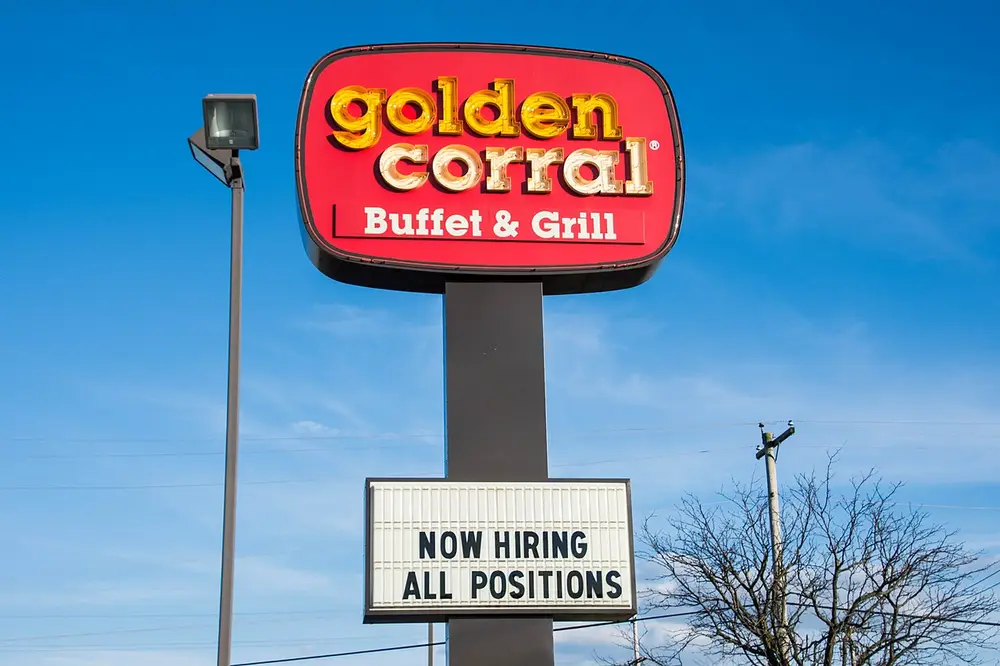

The federal minimum age to work in the US is 14 for most non-farm jobs, 16 to work unlimited hours in any non-hazardous job, and 18 for the 17 occupations the Department of Labor has declared hazardous. These rules come from the Fair Labor Standards Act (29 U.S.C. 203(l) and 212) and 29 CFR Part 570, and they are unchanged for 2026. Some work is exempt at any age, such as newspaper delivery, acting and working for a parent’s business. States can set stricter rules, and the stricter rule applies.
The three federal age thresholds
The law is built in layers. The statute defines “oppressive child labor” (29 U.S.C. 203(l)) and 29 U.S.C. 212(c) bans it in covered businesses. The regulation then explains the levels in 29 CFR 570.2:
| Age | What federal law allows (non-farm jobs) | Legal basis |
|---|---|---|
| Under 14 | No employment except exempt work | 29 U.S.C. 203(l); 29 CFR 570.2, 570.122 |
| 14 and 15 | Only the occupations listed in 570.34, outside school hours, with hour and time-of-day limits | 29 CFR 570.33 to 570.35 |
| 16 and 17 | Any occupation, unlimited hours, except the 17 hazardous ones | 29 CFR 570.2(a)(1)(ii); 570.51 to 570.68 |
| 18 and over | No federal youth employment limits | Fact Sheet #43 |
The general rule written into the Act is actually 16. Section 570.2(a)(1)(i) explains that the Secretary of Labor may allow 14- and 15-year-olds to work in occupations other than manufacturing and mining when the work does not interfere with schooling, health or well-being. That permission is the whole of Subpart C of Part 570: the list of permitted jobs in 29 CFR 570.34, the list of banned ones in 570.33, and the hour limits in 570.35.
The 18-year minimum works the other way. Seventeen Hazardous Occupations Orders, codified at 29 CFR 570.51 to 570.68, raise the age to 18 for jobs such as driving on public roads (with a narrow exception for 17-year-olds), roofing, power-driven saws and wood chippers, and excavation. The full list is on our page on hazardous jobs banned under 18.
Exemptions: work allowed at any age
Section 570.122(a) lists the specific exemptions from the child labor rules. Four of them matter for kids and young teens:
- Newspaper delivery to the consumer. 29 U.S.C. 213(d) exempts carriers who deliver to homes of subscribers or sell papers on the street. Hauling papers to drop stations or newsstands is not covered by the exemption (29 CFR 570.124).
- Actors and performers in motion pictures, theatrical, radio or television productions (29 U.S.C. 213(c)(3); 29 CFR 570.125).
- Work for a parent. A parent, or a person standing in place of a parent, may employ their own child under 16 in any occupation other than manufacturing, mining or a hazardous occupation (29 CFR 570.126). The exemption applies only when the child is employed exclusively by the parent; if the child also helps with work for the parent’s employer, it does not apply.
- Evergreen wreath making at home, including harvesting the evergreens (29 U.S.C. 213(d); 29 CFR 570.127).
The other exemptions in 570.122 cover agriculture, loading certain paper balers at 16 and 17, limited driving at 17, and certain youth excused from school after eighth grade working in wood-products businesses.
Work the FLSA does not cover at all
The federal rules apply to employment by businesses covered by the FLSA. The Department of Labor’s Fact Sheet #43 states that children may also perform work not covered by the FLSA, “such as completing minor chores around private homes or casual baby-sitting.” That is why a 12-year-old can legally babysit for a neighbor, rake leaves or feed a cat while the family is away, as long as state law agrees. Our page on jobs for 12 and 13 year olds goes through what this looks like in practice.
Uncovered does not mean unregulated. State child labor laws often reach further than the federal Act, and safety, insurance and tax rules still apply. A teen who earns $400 or more of net self-employment income in a year generally has to file a return and pay self-employment tax (see taxes for teens with odd jobs).
Farm work follows different rules
Agriculture has its own age scale (29 CFR 570.2(b)): 16 for farm work during school hours and for hazardous farm jobs, 14 for most farm work outside school hours, 12 or 13 with written parental consent or on a farm where the parent also works, and any age on a farm owned or operated by the parent. This site covers non-farm jobs; check the DOL agricultural rules if a farm job is involved.
How states change the picture
Federal law is a floor. Section 570.50(a) states that nothing in the hazardous-occupation rules authorizes non-compliance with a state law setting a higher standard, and the same logic applies throughout: when two rules differ, follow the stricter one. Common state differences include:
- a work permit or employment certificate for workers under 16 or under 18 (see work permits for minors);
- daily or weekly hour limits for 16- and 17-year-olds, which federal law does not have;
- earlier night-work cutoffs, or extra banned occupations.
The Department of Labor keeps a state-by-state table of hour and night-work limits for minors (linked in the sources). Because state pay rules also differ, compare your state’s minimum wage on the pay by state pages.
Quick answers by situation
- A 12-year-old wants to mow lawns for neighbors with the family mower. Not employment by a covered business, so federal child labor rules generally do not apply, and the safety call belongs to the family and to state law. If the same child were hired by a landscaping company, it would be illegal: under 14, and power mowers are banned for 14 and 15 year olds by 570.33(e).
- A 14-year-old is offered a cashier job. Allowed (570.34(d)), outside school hours and within the 570.35 limits. Use the teen work hours checker to test a schedule.
- A 16-year-old is offered a roofing helper job. Not allowed: roofing and all work on or about a roof is banned until 18 (HO 16, 570.67).
- A 15-year-old works in a parent’s store. Allowed at any hour under federal law if the store is wholly owned by the parent and the work is not hazardous; state law may still limit hours.
This page summarizes federal law and is not legal advice.
Frequently asked questions
Can a 13-year-old get a job?
Not with most employers. Under federal law a 13-year-old can deliver newspapers, act or perform, make evergreen wreaths at home, work in a business wholly owned by a parent (outside manufacturing, mining and hazardous jobs), and do uncovered work such as casual babysitting or chores for neighbors.
What age can you work without restrictions?
At 16, federal law no longer limits hours or time of day, but the 17 hazardous occupations remain banned until 18. Once a worker turns 18, the federal youth employment rules stop applying.
Can my parents hire me before I turn 14?
Yes, if the business is wholly owned by your parents and the work is not in manufacturing, mining or a hazardous occupation. The exemption does not apply if the child also works for someone else's business.
Do state laws change the minimum age?
They can. Federal law sets a floor, and where a state sets a higher age, shorter hours or a permit requirement, the stricter rule applies.
Sources and open data
- 29 U.S.C. 203, definitions (subsection (l), oppressive child labor), Legal Information Institute, Cornell Law School
- 29 U.S.C. 212, child labor provisions, Legal Information Institute, Cornell Law School
- 29 U.S.C. 213, exemptions (subsections (c) and (d)), Legal Information Institute, Cornell Law School
- 29 CFR Part 570, Child Labor Regulations, Orders and Statements of Interpretation, eCFR, National Archives
- 29 CFR 570.122, General (specific exemptions), eCFR, National Archives
- Fact Sheet #43: Child Labor Provisions of the FLSA for Nonagricultural Occupations, U.S. Department of Labor, Wage and Hour Division
- Selected State Child Labor Standards Affecting Minors Under 18 in Non-farm Employment, U.S. Department of Labor