Key takeaways
- A self-employed pet sitter in the US can charge about $24.29 to $27.51 per working hour in 2026: 1.43 x the national median ($17.00) and 75th percentile ($19.26) wage of animal caretakers (BLS OEWS, May 2025).
- With travel, that gives about $14 to $16 for a 20-minute cat visit, $18 to $21 for a 30-minute dog drop-in and $97 to $110 for an overnight stay counted as 4 billable hours.
- A week of daily cat visits comes to about $99 to $112; a dog that needs three visits a day costs about $383 to $433 a week.
- Giving a pill adds about $2 per visit at these rates (5 minutes), an injection about $4 to $4.60 (10 minutes).
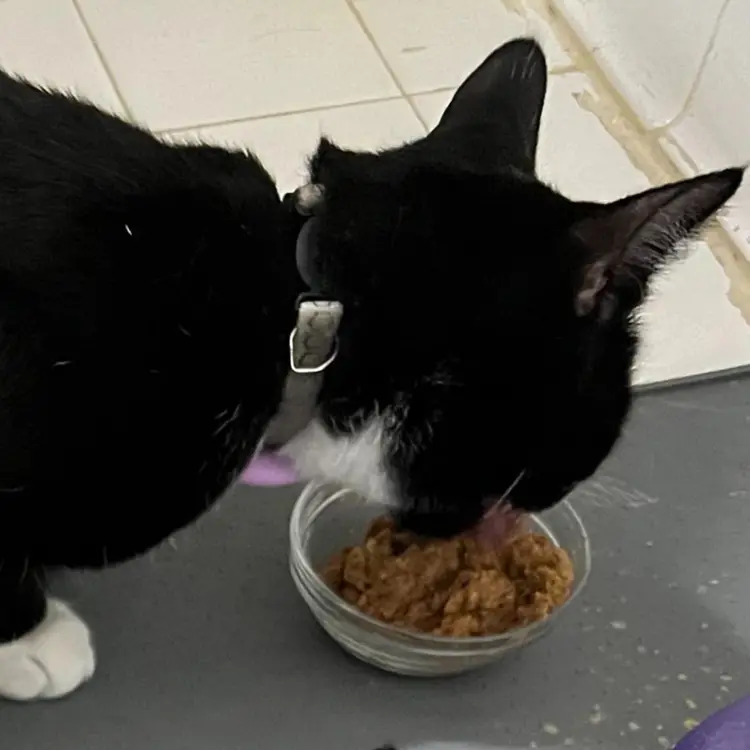

A pet sitter in the US should charge about $14 to $16 for a 20-minute cat visit, $18 to $21 for a 30-minute dog drop-in and $97 to $110 for an overnight stay in 2026. These prices apply a self-employed rate of $24.29 to $27.51 an hour to the real time each visit takes, travel included. The hourly rate is 1.43 times the national median ($17.00) and 75th percentile ($19.26) wage of animal caretakers in the Bureau of Labor Statistics survey (May 2025).
The odd job price calculator reruns these numbers with your own visit length, travel and state.
How pet sitting prices are calculated
- Base wage. BLS OEWS, animal caretakers (code 39-2021). The BLS describes pet sitters as workers who look after animals while the owner is away, usually at the owner’s home. National hourly wages, May 2025: $14.34 at the 25th percentile, $17.00 median, $19.26 at the 75th percentile.
- Self-employed loading. Wages are 70.0% of private employer compensation costs (BLS Employer Costs for Employee Compensation, June 2026), so LittleJob divides by 0.70 (about x1.43): $24.29 to $27.51 an hour.
- Billable time. Each visit includes travel, getting in, the care itself and a message or photo to the owner. The tables assume about 15 minutes on top of the care time.
Details and limits of the method are on the methodology page.
Drop-in visit prices
| Visit | Care time | Billable time | Price at $24.29/h | Price at $27.51/h |
|---|---|---|---|---|
| Cat: food, water, litter, check | 20 min | 35 min | $14.17 | $16.05 |
| Dog: feeding and short walk | 30 min | 45 min | $18.21 | $20.64 |
| Dog: long walk and play | 60 min | 75 min | $30.36 | $34.39 |
| Add a pill | 5 min | 5 min | $2.02 | $2.29 |
| Add an injection | 10 min | 10 min | $4.05 | $4.59 |
Worked example for the cat visit: 35 minutes is 0.583 hour; 0.583 x $24.29 = $14.17 and 0.583 x $27.51 = $16.05. Quote $14 to $16.
Overnight stays
An overnight stay means sleeping at the client’s home so the pets are not alone at night. You are not working for 12 hours, but you are not free either. LittleJob counts an overnight as about 4 billable hours: evening routine and walk, morning routine and walk, and a share for being present and on call.
- 4 hours x $24.29 = $97.14; 4 x $27.51 = $110.06 per night.
- A dog that cannot stay alone during the day also needs a midday drop-in: add $18 to $21.
- A week of overnights with one midday visit a day: (4 + 0.75) hours x 7 days = 33.25 hours, or $808 to $915.
If the owner asks you to stay most of the day as well, price the extra hours at the hourly rate. If the overnight is mostly house sitting with a cat that needs little care, see house sitting rates.
Cats vs dogs: what a week costs
| Pet and schedule | Billable time per day | Week (7 days), national |
|---|---|---|
| Cat, 1 visit a day | 35 min | $99 to $112 |
| Cat, 1 visit every other day (4 visits) | 35 min | $57 to $64 |
| Dog, 3 visits a day | 2 h 15 min | $383 to $433 |
| Dog, overnights plus a midday visit | 4 h 45 min | $808 to $915 |
Cats are generally cheaper because one daily visit is usually enough for a healthy adult cat; ask the owner what their vet recommends for longer trips. Dogs need several outings a day, which makes overnight stays more economical for the owner than three or four separate visits.
Medication and special care
Giving medication is a responsibility, not just a few minutes. Before accepting:
- Get the exact drug, dose, time and method in writing, ideally the vet’s instructions.
- Practice once with the owner present if it is a pill in food, liquid by syringe or an injection.
- Keep the vet’s number, the nearest emergency clinic and the ASPCA Animal Poison Control Center line, (888) 426-4435 (a consultation fee may apply), with the care sheet.
- Price strictly timed care (for example insulin every 12 hours) at the top of the range or above, because it fixes your schedule.
The CDC recommends washing hands after feeding pets, handling their food, cleaning litter and picking up waste.
What pet sitting pays: highest and lowest paying states
BLS May 2025 hourly wages of animal caretakers, suggested hourly rate and the price of a 30-minute dog drop-in (45 billable minutes):
| State | Median | 75th pct | Suggested hourly rate | Dog drop-in |
|---|---|---|---|---|
| District of Columbia | $21.25 | $22.95 | $30.36 to $32.79 | $23 to $25 |
| Washington | $19.51 | $23.09 | $27.87 to $32.99 | $21 to $25 |
| Hawaii | $19.29 | $24.91 | $27.56 to $35.59 | $21 to $27 |
| Massachusetts | $19.06 | $22.96 | $27.23 to $32.80 | $20 to $25 |
| California | $18.60 | $21.71 | $26.57 to $31.01 | $20 to $23 |
| Oklahoma | $13.92 | $17.00 | $19.89 to $24.29 | $15 to $18 |
| West Virginia | $13.73 | $16.54 | $19.61 to $23.63 | $15 to $18 |
| Alabama | $13.62 | $16.48 | $19.46 to $23.54 | $15 to $18 |
| Louisiana | $13.42 | $16.04 | $19.17 to $22.91 | $14 to $17 |
| Mississippi | $12.97 | $14.37 | $18.53 to $20.53 | $14 to $15 |
All 50 states and DC are on the pay by state page, and walk prices are on dog walking rates.
How to quote a pet sitting job
- Meet the pets and the owner before the booking; note feeding, litter, walks, medication, hiding places and house rules.
- Count the visits per day and the billable minutes per visit, then multiply by your hourly rate.
- Add overnights, medication time and holiday premiums as separate lines.
- Ask for a deposit on long holiday bookings, and state your cancellation terms.
- Put it in a simple service agreement, including keys and an emergency vet authorization.
Licenses, insurance and taxes
The BLS notes that many states require self-employed animal care workers to have a business license; cities and counties may also have rules. Pet-care liability insurance covers injury to a pet or damage in the home; see business license and insurance. Pet sitting income is self-employment income: self-employment tax applies once net earnings reach $400 in a year, see self-employment tax explained. This is general information, not legal or tax advice.
Mistakes to avoid
- Pricing visits by the minute of care and forgetting travel.
- Accepting medication you have never given, without a trial run.
- Counting an overnight as 12 working hours (too expensive) or as nothing (unpaid responsibility).
- No backup plan if you are sick during a two-week booking.
Frequently asked questions
How much should I charge for a pet sitting drop-in visit?
About $14 to $16 for a 20-minute cat visit and $18 to $21 for a 30-minute dog visit at the national level in 2026, counting about 15 minutes of travel and setup per visit at $24.29 to $27.51 an hour.
How much should a pet sitter charge per night?
Counting an overnight stay as about 4 billable hours of care (evening and morning routines, walks, presence), the national range is about $97 to $110 per night. Add a midday visit if the dog cannot be alone all day.
Is cat sitting cheaper than dog sitting?
Usually, because cats need fewer and shorter visits. One 20-minute visit a day for a week is about $99 to $112 nationally, while a dog needing three 30-minute visits a day costs about $383 to $433 for the week.
Should pet sitters charge extra for giving medication?
Charging for the time is reasonable: about 5 minutes for a pill and 10 minutes for an injection, which is about $2 and $4 to $4.60 per visit at the national rate. Insulin or other medical care with strict timing can justify more.
Sources and open data
- Occupational Employment and Wage Statistics (OEWS), May 2025 estimates, U.S. Bureau of Labor Statistics
- Employer Costs for Employee Compensation, June 2026, U.S. Bureau of Labor Statistics
- Animal Care and Service Workers, Occupational Outlook Handbook, U.S. Bureau of Labor Statistics
- Animal Poison Control Center, ASPCA
- Ways to Stay Healthy Around Animals (Healthy Pets), Centers for Disease Control and Prevention
- Self-Employment Tax (Social Security and Medicare Taxes), Internal Revenue Service