Key takeaways
- A self-employed leaf raker in the US can charge about $26.89 to $32.17 an hour in 2026: 1.43 x the national median ($18.82) and 75th percentile ($22.52) wage of landscaping and groundskeeping workers (BLS OEWS, May 2025).
- With LittleJob's working assumptions (2,500 sq ft raked per hour under a moderate leaf cover, plus bagging and travel), a 5,000 sq ft yard takes about 2 h 40 min and costs $72 to $86.
- A light cover on a small yard is about $28 to $34; a heavy cover on 10,000 sq ft takes nearly 8 hours, about $211 to $252.
- US households and businesses generated an estimated 35.4 million tons of yard trimmings in 2018, and 22.3 million tons were composted or mulched (EPA).
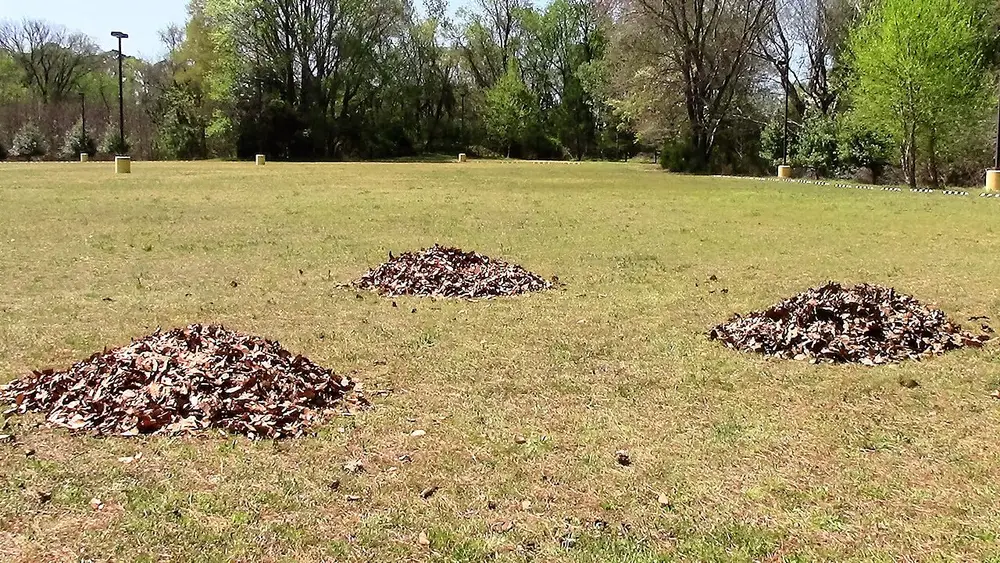

Raking leaves should cost about $27 to $32 an hour in 2026, or about $72 to $86 for a 5,000 sq ft yard with a moderate leaf cover, bagging included. The hourly range is 1.43 times the national median ($18.82) and 75th percentile ($22.52) wage of landscaping and groundskeeping workers in the Bureau of Labor Statistics survey (May 2025): $26.89 to $32.17 an hour. Per-yard prices depend on the time assumptions below, which you should replace with your own after a few jobs.
The odd job price calculator turns your own time estimate, travel and bag costs into a quote.
How the leaf raking rate is calculated
- Base wage. BLS OEWS, landscaping and groundskeeping workers (code 37-3011), the occupation that does raking, mowing and seasonal cleanup. National hourly wages, May 2025: $17.40 at the 25th percentile, $18.82 median, $22.52 at the 75th percentile.
- Self-employed loading. Wages are 70.0% of private employer compensation costs (BLS Employer Costs for Employee Compensation, June 2026). Dividing by 0.70, about x1.43: $18.82 x 1.43 = $26.89 and $22.52 x 1.43 = $32.17.
- Floor. Never below the state minimum wage; in every state the suggested landscaping rate is well above it.
The methodology page explains the choices and the yearly update.
Price per yard: worked examples
No public dataset measures how fast people rake, so LittleJob uses stated working assumptions: 4,000 sq ft per hour under a light leaf cover, 2,500 under a moderate cover and 1,500 under a heavy, wet cover, plus bagging time and 10 minutes of travel. Time yourself on the first jobs and adjust.
| Yard and leaf cover | Raking | Bagging | Total with travel | Price at $26.89/h | Price at $32.17/h |
|---|---|---|---|---|---|
| 2,500 sq ft, light | 38 min | 15 min | 1 h 3 min | $28 | $34 |
| 5,000 sq ft, light | 1 h 15 min | 20 min | 1 h 45 min | $47 | $56 |
| 5,000 sq ft, moderate | 2 h | 30 min | 2 h 40 min | $72 | $86 |
| 10,000 sq ft, moderate | 4 h | 45 min | 4 h 55 min | $132 | $158 |
| 10,000 sq ft, heavy | 6 h 40 min | 1 h | 7 h 50 min | $211 | $252 |
Worked example for 5,000 sq ft, moderate cover: 5,000 / 2,500 = 2 hours of raking, plus 30 minutes of bagging and 10 minutes of travel = 2.67 hours. 2.67 x $26.89 = $71.71 and 2.67 x $32.17 = $85.79. Quote $72 to $86, plus bags.
A leaf blower or a mulching mower changes the numbers: blowing leaves onto a tarp is faster on open lawns, and mowing light leaves into the grass removes most of the bagging. If you use your own power equipment, add fuel and wear, as the lawn mowing price method does with $3 per job.
Per hour or per yard?
- Per hour suits first visits, yards you cannot see in advance, and jobs where the client keeps adding tasks (“could you also clear the flower beds?”).
- Per yard suits regular clients and yards you know. Clients prefer a fixed price, and if you get faster, you keep the gain.
- Per season (for example three visits in October and November) suits trees that drop leaves over several weeks. Price each visit from the table and give a small discount for the package if you want the booking.
Write down what is included: lawn only or also beds, under shrubs, the driveway and the gutters. Gutters are a different job with a ladder; see gutter cleaning prices.
Bags and municipal yard-waste rules
Yard waste is a large stream: the EPA estimates that 35.4 million tons of yard trimmings were generated in 2018 and that 22.3 million tons were composted or mulched, while landfills received about 10.5 million tons. Many local governments therefore collect leaves separately from trash.
Rules vary by city and county, so check the public works or sanitation page before the job:
- whether leaves must go in paper yard-waste bags, reusable bins or loose at the curb;
- collection dates or seasonal leaf pickup weeks;
- whether yard waste is refused in regular trash;
- weight limits per bag or per pickup.
Bags are a material cost. Either the client supplies them or you invoice them at cost as a separate line. Hauling leaves away in your own vehicle takes more time and may need a drop-off permit or fee; price it separately.
What leaf raking pays: highest and lowest paying states
Landscaping and groundskeeping workers, BLS May 2025, with the suggested hourly rate and the price of the 5,000 sq ft moderate-cover job (2.5 hours here, rounded):
| State | Median | 75th pct | Suggested hourly rate | 2.5-hour job |
|---|---|---|---|---|
| District of Columbia | $23.46 | $26.80 | $33.51 to $38.29 | $84 to $96 |
| Massachusetts | $23.40 | $28.13 | $33.43 to $40.19 | $84 to $100 |
| Alaska | $22.93 | $23.62 | $32.76 to $33.74 | $82 to $84 |
| Washington | $22.57 | $27.12 | $32.24 to $38.74 | $81 to $97 |
| Minnesota | $22.41 | $24.19 | $32.01 to $34.56 | $80 to $86 |
| Alabama | $17.13 | $18.54 | $24.47 to $26.49 | $61 to $66 |
| South Dakota | $17.01 | $18.87 | $24.30 to $26.96 | $61 to $67 |
| Louisiana | $16.76 | $17.78 | $23.94 to $25.40 | $60 to $64 |
| West Virginia | $15.50 | $17.59 | $22.14 to $25.13 | $55 to $63 |
| Mississippi | $15.21 | $17.99 | $21.73 to $25.70 | $54 to $64 |
Find your own state on the pay by state page.
Teens, safety and taxes
Raking with hand tools is one of the classic first jobs. For employers covered by federal child labor law, 14 and 15 year olds may do grounds maintenance but not with power-driven mowers, cutters, trimmers or edgers (29 CFR 570.34(h)). See jobs for 14 and 15 year olds. States can be stricter.
Raking is repetitive work: switch hands, bend the knees when lifting full bags, wear gloves, and watch for hidden objects under the leaves. Income from raking is self-employment income; for teens, see taxes for teens with odd jobs. This is general information, not legal or tax advice.
Mistakes to avoid
- Quoting per yard before seeing how deep and wet the leaves are.
- Forgetting the bags, or the city’s bag rules.
- Promising “all leaves” in a yard where trees will drop more next week.
- Underpricing hauling: driving to a drop-off site is time.
Frequently asked questions
How much should I charge to rake leaves?
About $27 to $32 an hour at the national level in 2026, based on 1.43 times the BLS median and 75th percentile wages of landscaping workers. A typical 5,000 sq ft yard with a moderate leaf cover takes about 2 hours 40 minutes including bagging and travel, so about $72 to $86.
Is it better to charge per hour or per yard for leaf raking?
Per yard is easier for the client to accept, but only once you have seen the yard and the leaf cover. Use an hourly rate for the first visit or for yards you cannot estimate, then switch to a fixed price.
Who pays for the leaf bags?
Agree on it before the job. Either the client provides bags that meet local collection rules, or you buy them and add the actual cost to the invoice as a separate line.
How much should a teenager charge for raking leaves?
The same method works: a beginner can start near the bottom of the range, about $27 an hour nationally or less in lower-wage states such as Mississippi ($21.73 an hour), and quote per yard once they know their own speed.
Sources and open data
- Occupational Employment and Wage Statistics (OEWS), May 2025 estimates, U.S. Bureau of Labor Statistics
- Employer Costs for Employee Compensation, June 2026, U.S. Bureau of Labor Statistics
- Grounds Maintenance Workers, Occupational Outlook Handbook, U.S. Bureau of Labor Statistics
- Yard Trimmings: Material-Specific Data, U.S. Environmental Protection Agency
- 29 CFR 570.34, Occupations that may be performed by minors 14 and 15 years of age, Electronic Code of Federal Regulations
- Self-Employment Tax (Social Security and Medicare Taxes), Internal Revenue Service